
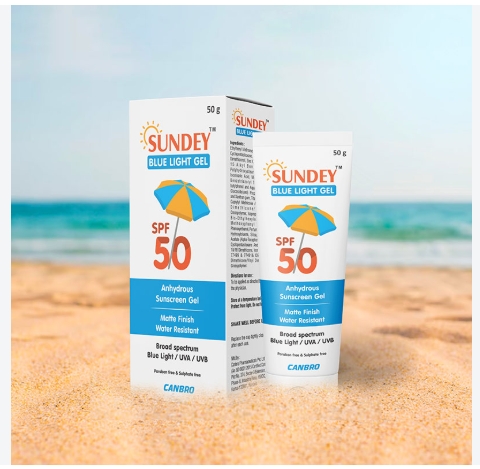
Blue light sunscreen is one of those beauty products that act as sunscreens for our skin to prevent UV rays, but at the same time, give extra protection against high energy visible or HEV light, which is commonly called blue light. Such formulations include components like iron oxides, mineral filters, and antioxidants to provide visible light protection.
While conventional sunscreens are more concerned about UV and UVA rays, blue light sunscreen is formulated keeping today’s life in mind, in which we get exposed to sunlight as well as smartphones, computers, and LED light every day.
In today’s world of increasing screen time and advanced skincare science, blue light sunscreen seems necessary for many.
Key Takeaways
- The blue light sunscreen will help to shield the skin from UV exposure, as well as visible light.
- Blue light, or HEV light, can come from the sun and digital screens.
- SPF rating indicates protection against UV but not blue light.
- Components such as iron oxides are critical for visible light protection.
- Tinted mineral sunscreen might offer an extra layer of support for individuals worried about hyperpigmentation.
- The sunscreen is just one element of a skincare regimen that includes cleansing, moisturizing, and other healthy behaviors.
What Is Blue Light and Why Does It Matter for Skin?
Blue light, scientifically called high-energy visible (HEV) light, is a form of visible light with wavelengths from about 400 to 500 nanometers.
Unlike ultraviolet radiation, blue light can be seen with the naked eyes. Blue light occurs naturally through the sun and is also emitted by several artificial sources.
Sources of blue light include:
- Sunlight
- Smartphones
- Screens of laptops
- Screens of computers
- Tablets
- LED lights
The primary source of blue light exposure is the sun. Nonetheless, the rising number of people spending time in front of screens has led to the need for studies on the effects of blue light exposure on skin health.
That is the reason that skincare companies have formulated blue light protection sunscreens.
Can Blue Light Damage Your Skin?
Blue light may contribute to oxidative stress and visible skin concerns.
Studies have shown that continued exposure to visible light may cause oxidative stress in skin cells. This happens because free radicals are formed at a higher rate than can be neutralized by the skin.
The problems associated with oxidative stress include:
Uneven Skin Tone and Dark Spots
Exposure to visible light has been found to potentially activate melanin, thus contributing to issues with hyperpigmentation. Individuals experiencing:
- Dark spots
- Post-inflammatory hyperpigmentation
- Irregular skin tone
will benefit from the application of a sunscreen with visible light protection agents.
Premature Signs of Aging
Exposure to environmental stress may lead to changes in the condition of the skin. The following skin changes are currently being researched in terms of their possible connection with blue light exposure:
- Diminished skin glow
- Skin texture alteration
- Higher level of oxidative stress
But it is crucial to realize that the level of exposure to blue light emitted by the screen is significantly lower than that of sun exposure.
How Does Blue Light Sunscreen Work?
Blue light sunscreen, which has good quality, integrates classic sun protection with ingredients that will allow decreasing visible light exposure.
Its effectiveness greatly relies on the formula and the ingredients included in it.
Iron Oxides: A Key Ingredient for Visible Light Protection
Iron oxides are pigments present in tinted sunscreen formulas.
It is important to know that visible light is not the same as UV light. Classical sunscreen filters protect against UVA and UVB light, but iron oxides may help absorb some wavelengths of visible light.
Pros of using iron oxides include:
- Protection against visible light
- Reduction of pigmentation triggers
- Natural-looking coverage
This is one of the reasons why dermatologists often advise tinted sunscreen formulas when there is a problem with hyperpigmentation.
Zinc Oxide and Mineral Sunscreen Filters
Zinc oxide is a sunscreen component which belongs to the category of mineral sunscreens offering broad-spectrum UV protection.
It protects your skin from:
- UVA radiation
- UVB radiation
- Environment exposures on a daily basis
Mineral sunscreens are usually chosen by those with sensitive skin as they form a physical barrier on the skin surface.
With components such as iron oxides, mineral zinc oxide formulations may provide comprehensive daily protection.
Antioxidants for Additional Skin Defense
Most of the sophisticated sunscreens that offer protection from blue light include antioxidants.
Popular antioxidant components include:
- Vitamin C
- Vitamin E
- Green tea extract
- Plant extracts
The antioxidants help enhance the skin’s immune system by assisting in eliminating free radicals resulting from environmental stressors.
Does Regular Sunscreen Protect Against Blue Light?
No, not every sunscreen provides significant blue light protection.
Traditional sunscreen is formulated mainly to shield against UV radiation.
SPF is an indication of protection against UVB radiation that causes sunburns. Sunscreen with broad-spectrum protection also shields against UVA radiation, which causes early skin aging.
But blue light is a type of visible light, not UV radiation.
Therefore:
- SPF 50 doesn’t necessarily indicate blue light protection.
- A sunscreen could be good at protecting you from UV rays but not from visible light rays.
- It’s important to consider ingredients while selecting a sunscreen against blue light.
Blue Light Protection SPF: What Does It Mean?
Blue light protection SPF refers to sunscreen products that combine SPF protection with ingredients designed to support visible light defense.
This can be misleading since SPF itself is not an indicator of blue light protection.
SPF indicates:
- Protection from UVB rays
- Prevention of sunburn
It does not indicate:
- HEV ray protection
- Protection from visible light
- Protection from screen light
For a blue light protection SPF, you should consider the following:
- Broad spectrum SPF 30 or more
- Iron oxides
- Mineral filters
- Antioxidants
Blue Light Sunscreen vs Regular Sunscreen
Understanding the difference can help you choose the right product.
| Feature | Regular Sunscreen | Blue Light Sunscreen |
| UVA Protection | Yes | Yes |
| UVB Protection | Yes | Yes |
| SPF Protection | Yes | Yes |
| Visible Light Defense | Limited | Enhanced |
| Iron Oxides | Sometimes | More common |
| Best For | UV protection | UV + visible light support |
A blue sunscreen is not necessarily a replacement for regular sunscreen. Instead, it is an advanced option designed for people who want broader daily protection.
Who Should Use Sunscreen for Blue Light Protection?
This is due to the fact that blue light screen protector sunscreen can benefit people who frequently come into contact with screens.
It may benefit:
Office Workers
Individuals spending many hours a day using computers would do well to choose a sunscreen that works for their new lifestyle.
Remote Workers
Being at home is no excuse to avoid using sunscreen every day, particularly if you find yourself sitting close to windows or going outside.
People Concerned About Dark Spots
Light is known to affect pigmentation pathways; therefore, tinted creams containing iron oxides have become very common.
Students and Digital Users
Extended use of laptops, tablets, and mobile phones makes skincare protection necessary every day.
How to Choose the Best Blue Light Sunscreen
Choosing the right formula depends on your skin type and concerns.
For Pigmentation Concerns
Look for:
- Tinted sunscreen
- Iron oxides
- Broad-spectrum SPF
These ingredients may provide better visible light support.
For Sensitive Skin
Consider:
- Mineral sunscreen
- Zinc oxide-based formulas
- Fragrance-free options
For Oily Skin
Look for:
- Lightweight textures
- Non-comedogenic formulas
- Matte finishes
For Dry Skin
Choose:
- Hydrating sunscreen formulas
- Moisturizing ingredients
- Lightweight creams
Common Mistakes When Using Blue Light Sunscreen
Even the best sunscreen will not work properly if used incorrectly.
Mistake 1: Choosing SPF Only
Others only pay attention to the SPF ratings. Do remember that SPF does not quantify blue light blockage.
Mistake 2: Applying Too Little Product
Applying it in a really thin coat can compromise its efficacy.
Mistake 3: Skipping Sunscreen Indoors
As much as screen exposure isn’t equivalent to sunlight exposure, applying sunscreen everyday could be helpful to those concerned about visible light and melanin.
Mistake 4: Expecting Sunscreen to Solve Every Skin Concern
Sunscreen is most effective when used in combination with a whole skincare regimen that comprises:
- Cleansing
- Hydrating
- Anti-oxidative products
- Healthy living habits
How to Apply Blue Light Sunscreen Correctly
For best results:
- Put on sunscreen every morning after applying skin care products.
- Apply sufficient amounts to protect your face and neck.
- Apply before going out and spending time on a screen.
- Reapply sunscreen after perspiration and swimming.
- Apply sunscreen all year round.
- Daily consistency is more important than occasional use.
Final Thoughts
In contemporary times, it is no longer sufficient to protect the skin in the conventional way against the harsh elements of nature. Although ultraviolet radiation will continue to be among the main environmental elements influencing skin health, the use of visible light is becoming a topic of concern and study.
An appropriately formulated sunscreen for blue light includes not only SPF but also the use of ingredients such as iron oxides and minerals, as well as antioxidants.
Anyone spending long hours with digital technology, having skin pigmentation issues, or simply wanting a comprehensive skincare regimen may wish to consider the use of sunscreen with blue light protection.
It is imperative to select a sunscreen formula according to skin type and then use it consistently.
Frequently Asked Questions
Does blue light sunscreen protect against phone screens?
Blue light sunscreen may help support protection against visible light exposure, especially when it contains ingredients like iron oxides. However, sunlight remains a much stronger source of blue light compared with digital screens.
Is tinted sunscreen better for blue light protection?
Many tinted sunscreens contain iron oxides, which can provide additional visible light protection. They may be especially helpful for people concerned about pigmentation.
Is blue sunscreen better than regular sunscreen?
A blue sunscreen may provide additional visible light support, but both products should provide adequate SPF protection. The best choice depends on your skin needs.
What ingredients protect against blue light?
Ingredients commonly associated with blue light protection include:
- Iron oxides
- Zinc oxide
- Antioxidants
- Mineral sunscreen filters
Should I use blue light sunscreen indoors?
People who spend many hours near screens or are concerned about pigmentation may choose to wear sunscreen indoors as part of their daily routine.

Hi, I’m Amber. Founder of GlowPicks and a skincare research writer focused on sunscreen education, UV protection, and ingredient analysis. I creates evidence-based guides that help readers make informed skincare decisions using trusted sources and expert recommendations.