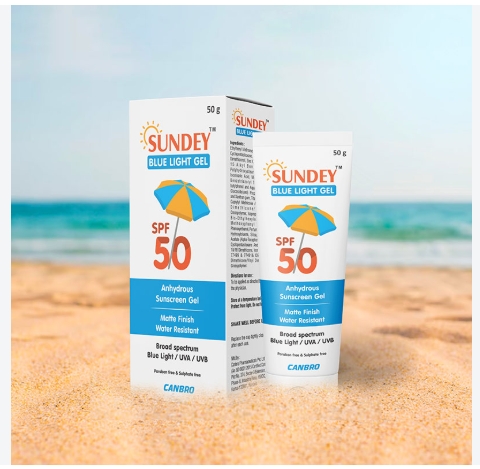

For hyperpigmentation, the best form of sunscreen should be broad spectrum and waterproof with an SPF of 30 or more. In case of melasma or dark spots, try to go for the tinted sunscreen that includes iron oxides since it would protect you from visible light too along with UVA and UVB rays. This suggestion has been made by the dermatologists at the American Academy of Dermatology.
Sunscreen would not remove hyperpigmentation on its own. It prevents the UV and visible light exposure which may further aggravate the hyperpigmentation while some other treatment process is working on the existing dark spots.
If you are trying to treat any problem like dark spots, melasma, or skin discoloration, then sunscreen is an essential part of your skincare regime. Any kind of exposure to the sun can make the pigmentation worse and can even lead to further dark spots on the face.
This is good news because getting the right kind of sunscreen for hyperpigmentation can not only protect your skin from UV rays but will also be able to protect from visible light, which can make pigmentation worse.
What Is Hyperpigmentation?
Hyperpigmentation is a widespread skin condition wherein certain parts of the skin tend to be darker than the rest of the skin. This is a result of the increased production of melanin, which is the skin pigment.
Examples of which are:
- Sun spots
- Post inflammatory hyperpigmentation following acne or irritation
- Melasma
- Dark spots due to skin inflammation
- Irregular skin tone
Individuals with darker skin colors may have predispositions to pigmentation problems since light may also cause skin discoloration.
In such cases, regular sun protection is highly recommended.
How Does Sunscreen Help With Hyperpigmentation?
How does sunscreen help? It decreases the amount of harmful radiation reaching your skin. UVA and UVB radiations could lead to skin problems, whereas sunlight can be responsible for triggering the formation of pigments or darkening the already present ones.
A broad spectrum sunscreen is needed to protect against both UVA and UVB radiations. UVA radiation is especially responsible for causing damage to your skin and pigmentation problems, whereas UVB is responsible for causing sunburns.
If you have melasma or if you are someone with a darker complexion, then you need to worry about an additional problem – visible light.
Visible light is a type of light within the sunlight that we can see with our naked eyes. Studies show that it could worsen the pigmentation of individuals with darker skin types..
Why Consistency Matters
View sunscreen as the safeguarding element that prevents the recurrence of the same pigmentation issue.
While trying to get rid of dark spots and spending a lot of time in the sun unprotected, you may keep experiencing excessive pigmentation. Proper protection will increase the chances of getting results.
What Should You Look for in Sunscreen for Hyperpigmentation?
When shopping for sunscreen, don’t focus only on the SPF number. Look at the whole formula.
| Feature | Why It Matters for Pigmentation |
| SPF 30 or higher | Helps protect against UVB radiation |
| Broad-spectrum | Protects against UVA and UVB |
| Tinted formula | Can provide visible-light protection |
| Iron oxides | Help protect against visible light |
| Water resistance | Useful for sweating, swimming, and outdoor activities |
| Comfortable texture | Makes daily use easier |
| Non-comedogenic | Helpful if you have acne-prone skin |
| Suitable for your skin type | Helps reduce irritation and improve consistency |
The American Academy of Dermatology recommends broad-spectrum, water-resistant sunscreen with SPF 30 or higher. For pigmentation concerns, it also recommends tinted sunscreen containing iron oxide.
Tinted Sunscreen vs. Untinted Sunscreen for Hyperpigmentation
In case pigmentation is your biggest worry, then tinted sunscreens have some benefits over non-tinted sunscreens. The reason has nothing to do with the color itself but has everything to do with the fact that tinted sunscreens use iron oxides. And why is this important? Because visible light contributes to melasma and hyperpigmentation.
| Tinted Sunscreen | Untinted Sunscreen |
| Can protect against UV and visible light | Primarily designed for UV protection |
| May contain iron oxides | Usually does not contain iron oxide pigments |
| Helpful for pigmentation-prone skin | Still useful for daily UV protection |
| Can reduce visible white cast | May leave a white cast depending on formula |
| Can provide light cosmetic coverage | Usually transparent or white when applied |
Is Tinted Sunscreen Better for Dark Spots?
When it comes to individuals who have the tendency to develop hyperpigmentation, a sunscreen with iron oxides that is tinted provides a solid choice due to providing added protection from visible light together with the traditional UV rays.
It does not mean that all untinted sunscreens are bad. There is still room for a quality SPF 30+ broad spectrum sunscreen, but when it comes to melasma or dark spots, there is an added level of protection.
What SPF Is Best for Hyperpigmentation?
Always select an SPF of 30 or more for daily use. In case of continuous pigmentation problems, melasma, or excessive sun exposure, many people opt for SPF 50, as it adds more safety and because it leads to regular use.
Keep in mind that just because it has a high SPF value doesn’t mean you should use it sparingly. Just like the label, application of sunscreen is equally important.
Sunscreen should be reapplied by dermatologists’ recommendation every two hours while being outdoors.
How Much Sunscreen Should You Apply?
Ensure that the sunscreen quantity used on your face and neck is sufficient to give the stated SPF protection on the label. A popular technique is the two-fingers technique where sunscreen is applied on the index finger and middle finger to the face and neck before spreading out.
For full-body application, the FDA indicates that an average adult should use one ounce or a shot glass of sunscreen.
If using make-up after sunscreen application, allow time for the formation of a layer of the sunscreen.
Mineral Sunscreen vs. Chemical Sunscreen for Hyperpigmentation
Both mineral and chemical sunscreens can effectively protect from UV rays. The best option would be the sunscreen which can be applied liberally and used consistently.
Mineral Sunscreen
Most mineral sunscreens contain zinc oxide and/or titanium dioxide as UV filters.
Pros:
- Usually good for sensitive skin
- Offer broad-spectrum protection
- Are available in tinted form
- Zinc oxide is usually found in formulations for sensitive skin
Cons:
- Tinted formulations may result in a whitish shade
- The consistency may vary based on the formula
- A mineral sunscreen for hyperpigmentation might be ideal for you if your skin tends to be sensitive.
Chemical Sunscreen
Chemical sunscreens use organic UV filters that absorb UV radiation.
Pros:
- Often lightweight
- Many formulas blend easily
- Usually leave less visible residue
- Good options for daily facial use
Cons:
- Some formulas may sting sensitive skin
- Individual filters and formulations vary
There is no universal winner. Your skin type, comfort, and willingness to use the product every day matter more than whether the sunscreen is simply labeled mineral or chemical.
Who Should Use Sunscreen for Hyperpigmentation?
Everyone who worries about their dark spots or uneven pigmentation needs sun protection as well.
In your case, sunscreen is a must have if you suffer from any of the following:
- Melasma
- Dark marks after acne
- Post-inflammatory hyperpigmentation
- Sun spots
- Uneven pigmentation
- Pigmentation-prone skin
- Darker skin tone
- History of pigmentation after acne and irritation
Melasma patients in particular need to be extra cautious with sun protection since the sun can aggravate the condition. According to AAD, people with melasma should use a broad spectrum SPF 30+. Tinted sunscreen with iron oxide is preferable.
How to Choose the Best Sunscreen for Your Skin
The ideal sunscreen for pigmentation is not always the most expensive. Select it based on your skin type, lifestyle, and pigmentation concerns.
For Oily or Acne-Prone Skin
Look for:
- Lighter texture
- Formula is non-comedogenic
- Texture in form of gel or fluid
- Natural or matte finish
If you feel greasy when wearing sunscreen, you will be unlikely to wear enough of it daily.
For Dry Skin
Look for:
- Moisturizing formulas
- Formulas with cream/lotion texture
- Moisturizing ingredients
- A pleasant feeling without highlighting the dry areas
Sunscreen can also be used on top of regular moisturizers.
For Sensitive Skin
Look for:
- Fragrance-free products
- Gentle products
- If mineral products are right for your skin type
- Non-irritating products that will not sting or burn
According to the AAD, it is recommended that melasma patients select gentle and fragrance-free skincare products.
For Darker Skin Tones
Think about tinted sunscreens with iron oxides. Iron oxides not only help with eliminating the white cast but can also protect from visible light. This is useful in case of hyperpigmentation on darker skin.
Common Sunscreen Mistakes That Can Make Dark Spots Harder to Manage
Even a great sunscreen won’t help much if you’re not using enough or often enough.
1. Using too little
A thin application will not offer the rated SPF level of protection.
2. Forgetting your neck and ears
The other regions are subjected to sunlight as well.
3. Applying sunscreen only on sunny days
It is possible to get UV rays even on a cloudy day. In case you spend much time outside, make sure to maintain your regular sun protection procedures.
4. Skipping reapplication
Sunscreens lose their effectiveness because of time and sweating, water activity, and rubbing. Apply sunscreen at least once in two hours while out, and if the label says so – even more often, for example, after swimming or sweating.
5. Choosing a sunscreen you dislike wearing
This is an underrated problem.
When the sunscreen is greasy, leaves a thick white layer, or causes some irritation, you might forget about it altogether. It is worth applying daily what you find comfortable.
Can Sunscreen Fade Existing Hyperpigmentation?
However, while sunscreen might help to stop the darkening of the hyperpigmentation and will assist in treating the pigmentation condition as a whole, it is not normally the entire remedy for the pigmentation dark spots.
In cases where one has melasma or some other pigmentation condition, the dermatologist may suggest further treatment measures for your particular skin type and the reason behind the pigmentation problem.
Thus, consider sunscreen as the base for your pigmentation treatment plan.
Best Sunscreen for Hyperpigmentation: What Should You Buy?
If you’re choosing a product specifically for pigmentation, use this checklist:
Look for:
- SPF of 30 or more
- Broad spectrum
- Water-resistant if you are spending your time out in the open
- Tinted formula if pigmentation is a top priority for you
- Iron oxides as part of the formula
- Skin-type specific formula
- Finish that you like
- Labelled as non-comedogenic if you have acne-prone skin
In case of melasma or any kind of pigmentation, a tinted SPF 30+ sunscreen formula with iron oxides becomes one of the best formulas to consider.
Conclusion
The right sunscreen for hyperpigmentation should do more than simply have a high SPF number. Consider looking for a sunscreen which offers broad-spectrum protection and an SPF rating of at least 30 and try using tinted products with iron oxides in case your hyperpigmentation is due to the presence of dark spots or melasma.
But first and foremost, you should ensure you apply your sunscreen often and correctly. Remember that you should wear your sunscreen all day long and reapply the cream whenever you spend time outdoors.
In case your hyperpigmentation does not go away, worsens or spreads, it may be a good idea to visit a board-certified dermatologist.
Frequently Asked Questions
Can sunscreen remove hyperpigmentation?
Sunscreen does not directly remove existing hyperpigmentation. Its main role is to protect your skin from UV and, with suitable tinted formulas, visible light that can worsen pigmentation. Consistent protection can help prevent dark spots from becoming darker while other treatments address existing pigmentation.
Is SPF 50 better for hyperpigmentation?
SPF 50 can be a good choice if you are concerned about pigmentation or spend significant time outdoors, but application and reapplication are essential. Dermatologists recommend at least SPF 30 for routine sun protection.
Is tinted sunscreen good for melasma?
Yes. Tinted sunscreen containing iron oxides can be particularly useful for melasma because it provides UV protection and helps protect against visible light. The AAD specifically recommends tinted SPF 30+ containing iron oxide for people with melasma.
Can sunscreen prevent dark spots from acne?
Sunscreen can help prevent acne-related dark marks from becoming darker after inflammation. This is especially important if your skin tends to develop post-inflammatory hyperpigmentation.
Is mineral sunscreen good for hyperpigmentation?
Yes. Mineral sunscreens containing zinc oxide or titanium dioxide can provide broad-spectrum UV protection. For pigmentation concerns, consider a tinted mineral formula containing iron oxides if you want additional visible-light protection.
How often should I reapply sunscreen for hyperpigmentation?
When you’re outdoors, reapply approximately every two hours and sooner after swimming or sweating. Follow the directions on your specific sunscreen.
Can visible light cause hyperpigmentation?
Yes. Research shows that visible light can contribute to skin darkening and can worsen hyperpigmentation, particularly in people with darker skin tones. Tinted sunscreens containing iron oxides can help provide protection against visible light.

Hi, I’m Amber. Founder of GlowPicks and a skincare research writer focused on sunscreen education, UV protection, and ingredient analysis. I creates evidence-based guides that help readers make informed skincare decisions using trusted sources and expert recommendations.