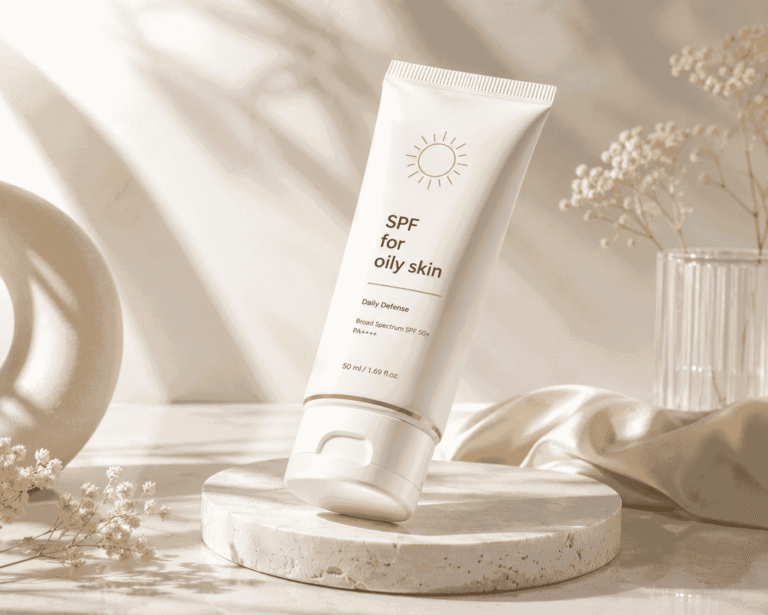

For people who have dry skin, finding a suitable sunscreen can be quite challenging. Some SPF products make the skin look flaky, bring out the fine lines on the skin, or make one feel like their skin is tight after application. This normally occurs because the SPF product is meant for oily skin types and lacks sufficient hydration for dry skins.
The right sunscreen for dry skin should do more than protect your face from harmful UV rays. Your skin needs something that will keep it moisturized, help maintain its protective layer and something comfortable to wear every day.
The best sunscreen for dry skin would be a moisturizing sunscreen that is broad spectrum and will protect your skin from both UVA and UVB rays. Sunscreen ingredients like hyaluronic acid, glycerin, ceramides, and squalane could provide the necessary hydration for preventing the skin from feeling dry and tight after applying the sunscreen.
Cream or lotion-type sunscreens are preferable over the mattifying and powder sunscreens for individuals who suffer from dry skin. A moisturizer with sunscreen for dry skin could also come handy.
Why Does Dry Skin Need a Special Sunscreen?
Dry skin is usually caused by an ineffective skin barrier.
Your skin barrier is your outermost layer of skin that prevents moisture loss and protects from external aggressors.
In cases where the barrier is not working effectively, the water will escape from the skin surface easier resulting in:
- Tightness after cleansing
- Rough skin texture
- Flakes visible on the skin
- Sensitivity
- Discomfort from applying skincare products
Being in the sun may worsen the mentioned problems due to the fact that the sun’s UV rays cause skin damage.
Thus, the right face sunscreen for dry skin needs to have the following advantages:
- Effective UV protection
- Comfortable and moisturizing texture
It is important to find not only the sunscreen with the highest SPF but with the texture you can wear every day.
How Does Sunscreen Work on Dry Skin?
Sunscreen creates a protective layer on your skin that helps reduce the impact of ultraviolet (UV) radiation. UV rays are divided into two main types:
| UV Type | Effect on Skin |
| UVA Rays | Associated with premature skin aging and long-term skin changes |
| UVB Rays | Responsible for sunburn and surface-level damage |
A broad-spectrum sunscreen helps protect against both UVA and UVB rays.
For dry skin, the formula matters because some sunscreens may leave behind a drying finish. Ingredients, texture, and moisturizing properties determine how comfortable the product feels.
What Ingredients Should You Look for in Sunscreen for Dry Skin?
When choosing a sunscreen cream for dry skin, focus on ingredients that support hydration and skin comfort.
Hydrating Ingredients
| Ingredient | How It Helps |
| Hyaluronic Acid | Helps attract and maintain moisture in the skin |
| Glycerin | Supports hydration and reduces moisture loss |
| Ceramides | Helps strengthen the skin barrier |
| Squalane | Provides softness and improves skin feel |
| Aloe Vera | Helps soothe dry and uncomfortable skin |
Barrier-Supporting Ingredients
Ceramides
Ceramides are a natural component in skin. They assist in forming a barrier to maintain moisture within the skin.
Niacinamide
The use of niacinamide in skincare is due to the fact that it supports the skin barrier and helps to improve the appearance of stressed or uneven skin.
Antioxidants
Vitamins like vitamin E can be helpful in protecting the skin from environmental stresses when incorporated into sunscreens.
A good sunscreen doesn’t necessarily contain all of the ingredients mentioned above. The best one for you is dependent upon your skin type and product reaction.
What Is the Best SPF for Dry Skin?
The best SPF for dry skin is usually SPF 30 or higher with broad-spectrum protection.
SPF measures protection against UVB rays, but remember that a high SPF does not replace proper application.
Here is a simple comparison:
| SPF Level | Best Use |
| SPF 30 | Daily protection for most situations |
| SPF 50 | Outdoor activities and stronger sun exposure |
| SPF 70+ | Situations requiring extended sun protection |
For everyday use, SPF 30 can be suitable. If you spend long periods outdoors, exercise outside, or live in a very sunny area, SPF 50 may be a better choice.
Mineral vs Chemical Sunscreen: Which Is Better for Dry Skin?
Both mineral and chemical sunscreens can work well for dry skin. The better option depends on your preferences and sensitivity.
| Type | How It Works | Best For |
| Mineral Sunscreen | Uses zinc oxide or titanium dioxide to sit on the skin and reflect UV rays | Dry sensitive skin |
| Chemical Sunscreen | Uses filters that absorb UV rays and convert them into heat | People who prefer lightweight textures |
If you have sunscreen for dry sensitive skin needs, mineral formulas are often considered because they are generally gentle. However, not every mineral sunscreen will feel moisturizing, so texture and ingredients still matter.
How to Choose the Best Sunscreen for Dry Skin Based on Your Needs
Different types of dry skin may need different sunscreen formulas.
| Skin Concern | Recommended Sunscreen Type |
| Very dry skin | Rich cream SPF with ceramides or squalane |
| Dry and sensitive skin | Fragrance-free mineral sunscreen |
| Dry skin with makeup | Lightweight moisturizing SPF lotion |
| Dry skin in winter | Cream-based sunscreen |
| Daily office use | Comfortable lotion SPF |
The best sunscreen for dry skin is the one that fits your routine and feels pleasant enough to use every day.
Can You Use Moisturizer With Sunscreen for Dry Skin?
Yes. People suffering from dry skin find it helpful to apply moisturizer prior to applying sunscreen.
Some steps to follow in the morning could be:
- Mild cleanser
- Hydrating serum (not necessary)
- Moisturizer
- Sunscreen
It is helpful to use a moisturizer and sunscreen together for dry skin. For some individuals, the need for moisturizer remains even when using a moisturizer with sunscreen for dry skin due to its high dryness levels.
The most common misconception is thinking that sunscreen is used to replace the moisturizer completely.
Why Does Sunscreen Sometimes Make Dry Skin Look Worse?
However, in case your skin is experiencing some flakiness or discomfort after using sunscreen, then the problem might be the formula of the sunscreen used.
Using a Matte Sunscreen
This type of sunscreen reduces the shine and might not give sufficient moisture to the dry skin.
Applying Sunscreen on Dehydrated Skin
If your skin already feels tight before applying SPF, sunscreen may highlight dryness.
Using Too Little Moisturizer
The dry skin requires preparation before the application of sunscreen.
Choosing Heavy Fragrance or Irritating Ingredients
Sensitive dry skin may react better to simple, fragrance-free formulas.
How Much Sunscreen Should You Apply?
Applying an adequate amount of sunscreens is equally important as picking the right one.
When it comes to protecting your face and neck, the common recommended amount is:
- Two finger lengths of sunscreen
Application of sunscreens:
- Every morning
- As the last step of your skincare regimen
- And again after coming out from water or heavy sweating
While a little might seem okay to you, it won’t work as well as indicated on its label.
Common Sunscreen Mistakes People With Dry Skin Make
Choosing SPF Based Only on the Number
A higher SPF level does not necessarily imply greater comfortability. The contents and the texture of the sunscreen play an important role.
Avoiding Sunscreen Because It Feels Dry
What needs to be done here is using the hydrating version of the sunscreen rather than foregoing sunscreen usage.
Forgetting the Neck Area
Your neck also gets exposed to sunlight and must be considered in your sunscreen usage process.
Not Reapplying Outdoors
Sweating, wiping your face, and outdoor activities can reduce sunscreen effectiveness.
Expert Tips for Wearing Sunscreen Comfortably With Dry Skin
Here are a few easy tricks to help make using sunscreen easier:
- Put on moisturizer before SPF when you have dry skin
- Give your skin time to absorb the skincare product before applying sunscreen
- Use a cream or lotion consistency instead of a matte one
- Pick products that say “moisturizing” or “hydrating”
- Try a new product before applying it every day
Most people stop using sunscreen after the first product they test on their skin does not work.
Final Thoughts
The best sunscreen for dry skin must not only prevent UV rays from damaging your skin but also make sure that your skin feels good and hydrated at the same time. Do not choose sunscreens by SPF number but consider more important things such as ingredients and skin feel.
Choose hydrating sunscreens that contain hydrating ingredients such as hyaluronic acid, glycerin, ceramides, or squalane. It does not matter whether you prefer cream sunscreen, lotion SPF, or moisturizer with SPF because consistency is the most important thing.
The sunscreen that you are going to use on a regular basis is the most effective one.
Most Frequently Asked Questions
Is sunscreen good for dry skin?
Yes. Sunscreen is essential for dry skin because UV exposure can contribute to skin damage and premature aging. A hydrating sunscreen can protect your skin while helping maintain comfort.
What is the best SPF sunscreen for dry skin?
The best SPF sunscreen for dry skin is usually a broad-spectrum SPF 30 or SPF 50 formula with moisturizing ingredients such as glycerin, ceramides, or hyaluronic acid.
Can sunscreen replace moisturizer?
Some hydrating sunscreens can replace moisturizer for mildly dry skin, but very dry skin often benefits from applying moisturizer before sunscreen.
Is mineral sunscreen good for dry sensitive skin?
Mineral sunscreen can be a suitable choice for dry sensitive skin, especially when it contains moisturizing ingredients and does not contain irritating additives.
Why does my sunscreen make my face look flaky?
This can happen if the sunscreen has a matte finish, your skin needs more hydration, or the formula does not match your skin type.
How often should I apply sunscreen?
Apply sunscreen every morning and reapply when spending extended time outdoors, especially after swimming or sweating.
What ingredients should dry skin avoid in sunscreen?
Some people with dry skin may prefer avoiding heavily fragranced formulas or products with ingredients that create an overly drying matte effect.

Hi, I’m Amber. Founder of GlowPicks and a skincare research writer focused on sunscreen education, UV protection, and ingredient analysis. I creates evidence-based guides that help readers make informed skincare decisions using trusted sources and expert recommendations.