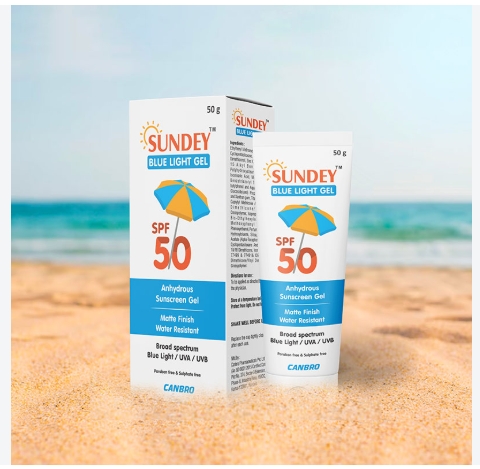

The misconception about sunscreen is that it is needed on beach days, summer holidays, or while participating in outdoor activities. The truth is that every day your skin is under the influence of ultraviolet (UV) rays whether you walk to work, sit next to the window, drive somewhere or stay outside for a while.
A consistent daily sunscreen routine is one of the simplest habits you can add to your skincare lifestyle. Just like brushing your teeth or drinking enough water, sunscreen gives the best results when it becomes a usual daily procedure, not an occasional one.
Regular application of sunscreen prevents premature aging, uneven skin tone, sunspots and other UV-related damages. The main thing is not to have sunscreen at all times, but to pick the right product, apply it in the right way and form habits for its regular usage.
Sunscreen Habit Building Strategies Throughout Entire Week
Consistency comes from creating simple routines.
Try these strategies:
Monday–Friday
Keep sunscreen beside your morning essentials and apply it after skincare.
Weekends
Continue the habit even when relaxing at home because UV exposure does not stop.
Travel Days
Carry a small sunscreen bottle in your bag.
Busy Days
Use quick-application products rather than skipping protection completely.
The best routine is the one you can maintain every day.
Why Sunscreen Belongs in Your Daily Routine (Not Just at the Beach)
The Real-World Effects of Daily Sun Exposure on Skin
Sun exposure occurs much more often than one might think. Short-term exposure to the sun’s rays can also cause damage, adding up over time. UVA and UVB rays affect the skin in different ways but both of them can impact skin condition.
UVB rays cause sunburns, whereas UVA rays reach deeper layers of the skin and are the reason for premature aging. Frequent exposure to the sun without sunscreens will cause:
- The appearance of fine lines and wrinkles
- Appearance of dark spots and uneven pigmentation
- Reduced skin elasticity
- Skin sensitivity
- Change in general skin condition
Most people will not notice the effect of sun damage until years later due to its gradual nature. Frequent daily exposure when commuting, being outdoors at work, walking, and even sitting next to the window adds up over time.
This is why sunscreen must not be used sporadically. A consistent daily sunscreen routine provides ongoing protection against everyday environmental exposure.
Common Myths That Stop People From Wearing Sunscreen Every Day
There are many misconceptions regarding skin care, even though the significance of sunscreen use is becoming common knowledge nowadays.
Myth 1: “I Only Need Sunscreen During Summer”
The ultraviolet rays are there all the time, regardless of the season. You can be affected by them, even when you are not exposed to direct sunlight or when it is cold outside.
Myth 2: “Dark Skin Does Not Need Sunscreen”
People with different skin colors can use sunscreen because even the darkest skin may have problems with pigmentation and skin aging due to UV radiation.
Myth 3: “Indoor People Do Not Need Sunscreen”
If you stay inside all day long, you will not necessarily protect yourself from UV rays, since the UV rays can penetrate through window glass, especially if you are sitting in a place that is illuminated by the sun.
Myth 4: “Higher SPF Means I Never Need to Reapply”
SPF value gives you information on how much UVB protection you get, but it does not provide limitless protection.
The Long-Term Benefits of Consistent Sunscreen Use Beyond Preventing Sunburn
Long-term protection is one of the primary benefits of using sunscreen on a daily basis. Although sunscreen offers protection against immediate damage, such as burning or reddening, its benefits are long-lasting.
Daily use of sunscreen can:
- Provide an even skin tone
- Minimize the appearance of aging
- Give healthier-looking skin
- Extend the effect of skincare products you invest in
- Prevent further damage to your skin pigmentation
Think of sunscreen as a protective shield for your skin.
How to Choose the Right Sunscreen for Your Skin Type and Lifestyle
Selecting sunscreen involves more than just going for the highest SPF on the market. The best sunscreen is one that fits your skin, lifestyle, and preferences since you are more likely to use it regularly.
Breaking Down SPF Numbers: What They Actually Mean for Everyday Protection
SPF stands for Sun Protection Factor and mainly measures protection against UVB rays.
Common SPF levels include:
| SPF Level | Protection Level | Suitable For |
| SPF 15 | Basic protection | Minimal daily exposure |
| SPF 30 | Good everyday protection | Most daily routines |
| SPF 50 | Higher protection | Outdoor activities and sensitive skin |
For most people, SPF 30 or higher is recommended for regular daily use.
However, SPF is only effective when enough sunscreen is applied. Using a very high SPF product but applying too little can significantly reduce the protection you actually receive.
Chemical vs Mineral Sunscreens: Key Differences and Which One Suits You
There are two main types of sunscreen formulas: chemical and mineral.
Chemical Sunscreen
Chemical sunscreens have compounds that can absorb the ultraviolet rays and convert them into energy, releasing the energy through the skin.
Pros:
- Has a light weight
- Generally easy to blend
- Generally more popular when used under makeup
- Not likely to cause a white cast
They may be good for people who like invisibility.
Mineral Sunscreen
Inorganic sunscreens have active minerals like zinc oxide or titanium dioxide. They form a layer on top of the skin that reflects UV rays.
Advantages:
- Suitable for sensitive skin most of the time
- Mild formulations are available
- Good option for reactive skin types
Some mineral sunscreens may have an obvious whitening effect, although modern formulations have been refined considerably.
How to Match Sunscreen Formulas to Different Skin Types
Best Morning Sunscreen Routine for Oily Skin
Oily skin types usually shy away from using sunscreen due to fears of greasiness and acne breakouts. The secret is to go for light sunscreen formulations.
Consider these key characteristics:
- Oil-free formulation labels
- Gel or water-based products
- Matte finish
- Non-comedogenic formulation
Simplest oily skin morning sunscreen regimen includes:
- Gentle cleanser
- Light moisturiser
- Oil control sunscreen
- Makeup (if necessary)
Sunscreen for Dry Skin
Hydrating sunscreens work best for dry skin.
Choose products containing:
- Hyaluronic acid
- Glycerine
- Moisturizing agents
Sunscreen should be applied after the moisturizer to avoid any drying effects.
Sunscreen Application Steps for Sensitive Face
People with sensitive skin need to be more careful when choosing and using sunscreen.
Here’s how to do it:
- Choose fragrance-free sunscreen
- Try a patch test first
- Use the product gently, without rubbing vigorously
- Do not choose products that burn or irritate
Mineral sunscreens are the best choice for people with easily irritated skin.
Sunscreen for Combination Skin
Skin that is combination needs to be in balance. Use products which will hydrate dry areas of the skin while also keeping oiliness in control.
Using a balancing sunscreen can also contribute towards ensuring the skin feels comfortable all day long.
Step-by-Step Ways to Fit Sunscreen Into Your Existing Morning Routine
Creating a sunscreen habit becomes easier when it fits naturally into your existing skincare routine.
Where Sunscreen Fits in Your Skincare and Makeup Order
The sequence of steps is:
- Cleanser
- Toner (optional)
- Serums
- Moisturiser
- Sunscreen
- Makeup
Sunscreen must always be the last step prior to applying makeup, since sunscreen needs to form a protective film on the skin.
Time-Saving Tips for Applying Sunscreen Without Adding Extra Steps
Most people do not apply sunscreen as a result of their hectic mornings. This can be done through:
- Having your sunscreen next to your toothpaste or skin care products
- Opting for moisturizing sunscreen to incorporate the steps together
- Applying your sunscreen right after your skin care routine
- Having a travel sunscreen in your handbag
The idea is to have the sunscreen application become a habit rather than a chore to do.
How to Apply Sunscreen Correctly to Get Full Protection
Correct application matters as much as choosing the right sunscreen.
How Much Sunscreen Is Needed Per Single Facial Application?
The most frequently asked question is, how much sunscreen should be used for a single application on the face?
For the face only, the amount that you need to use would typically be around:
- Two-finger rule (length of sunscreen on the index and middle finger)
- About ¼ teaspoon for face and neck combined.
Proper Application Steps
Steps to follow are:
- Apply sunscreen 15-20 minutes prior to sun exposure, if possible.
- Make sure you use an adequate amount of the product for full coverage.
- Ensure even application on your face.
- Remember to apply on areas which people usually miss out on:
- Ears
- Neck
- Hairline
- Around eyes (with caution)
Ensure sunscreen has been absorbed prior to applying makeup.
Solving the Most Common Sunscreen Problems That Make People Skip It
Dealing With White Cast, Greasy Residue, and Uncomfortable Textures
Many people quit using sunscreen due to their dissatisfaction with its feel on the skin.
Possible solutions are:
- Use light gels that act as sunscreen
- Consider sunscreen formulations with tinting
- Use sunscreen based on your skin type
- Apply a thin layer of sunscreen
Using the right sunscreen may take time as it requires experimenting with different textures.
Finding Sunscreen That Works With Makeup and Does Not Cause Breakouts
Sunscreen should provide the user with an even base for their makeup application.
Consider:
- Non-comedogenic formulations
- Rapid absorption
- Lightweight finishes
Give time for your sunscreen to absorb before you apply makeup such as foundation.
Reapplying Sunscreen During the Day: Practical Strategies That Actually Work
Many people understand morning sunscreen but struggle with reapplication.
When and How Often Should You Reapply?
In general, sunscreen needs to be applied again:
- Every two hours while spending time outside
- After swimming
- After sweating
- After cleansing your face
Outdoor workers require more sunscreen than indoor workers.
Reapplying Sunscreen Over Makeup During the Day
It is often avoided due to the fact that many people do not want to spoil their makeup.
Some practical choices would be:
- Sunscreen powder
- Sunscreen spray
- Cushion sunscreen
- Lightweight sunscreen stick
For re-applying the sunscreen throughout the day, it is essential to choose something convenient to use over the makeup.
Sunscreen Routine Tips Every Outdoor Worker Should Follow
Outdoor workers get more direct exposure to the sun, hence making sunscreen extremely essential.
Some good practices to follow for outdoor workers using sunscreen are:
- Applying sunscreen before commencing the job
- Reapplying every two hours under constant exposure to the sun
- Covering hard-to-reach spots such as the neck and ears
- Using protective clothing where possible
- Having the sunscreen close at hand while working
- Going for waterproof types if sweating is frequent
Construction workers, delivery personnel, gardeners, and other outdoor employees should take sunscreen as part of their safety precautions on a daily basis.
Sunscreen for the Whole Family: Making It a Shared Daily Habit
Families can simplify sunscreen application by making it a family routine.
Parents can motivate children by:
- Applying sunscreen together
- Educating them on the importance of protection
- Making it part of morning preparation
For teenagers, choosing comfortable products with pleasant textures often increases acceptance.
Store sunscreen properly by keeping it:
- Away from direct heat
- Closed tightly
- Stored at normal room temperature
Conclusion
Using a daily sunscreen is one of the easiest things you can do to ensure better looking skin in the future. Sunscreen is not just used on vacation days or sunny days; it will provide protection from UV radiation even in your regular daily routines.
The choice of a proper sunscreen for you is based on many factors like the type of skin you have, your lifestyle and what you feel comfortable using.
If you use the recommended amounts of sunscreen regularly, it can easily become a part of your daily routine.
Frequently Asked Questions
Do I really need sunscreen on cloudy days or when I stay mostly indoors?
Yes. UV rays can still reach your skin on cloudy days, and UVA rays may enter through windows. Daily sunscreen provides consistent protection.
Can I use the same sunscreen on my face and body?
Yes, but facial sunscreens are often specially designed with lighter textures and ingredients suitable for facial skin.
Is moisturiser or foundation with SPF enough?
Products with SPF can provide some protection, but most people do not apply enough makeup or moisturiser to achieve the labelled SPF level. A dedicated sunscreen is recommended.
How much sunscreen should I apply to my face?
Use approximately two finger lengths of sunscreen for the face and neck together to achieve proper protection.
What happens if I skip sunscreen occasionally?
Missing sunscreen occasionally will not erase your skincare progress, but consistent use provides the best long-term protection.
Are spray sunscreens as effective as creams?
Sprays can work effectively when applied generously and evenly, but many people apply too little, reducing protection.
Can sunscreen cause vitamin D deficiency?
Normal sunscreen use does not usually cause vitamin D deficiency. Many factors influence vitamin D levels, including diet and overall lifestyle.
How should sunscreen be stored?
Keep sunscreen away from extreme heat and direct sunlight. Store it in a cool, dry place and close the container properly after use.

Hi, I’m Amber. Founder of GlowPicks and a skincare research writer focused on sunscreen education, UV protection, and ingredient analysis. I creates evidence-based guides that help readers make informed skincare decisions using trusted sources and expert recommendations.