
Acne-prone skin needs extra care. Many people spend a lot of time choosing the right cleanser, moisturizer, or acne treatment. But they often skip sunscreen because they worry it will clog pores or cause breakouts.
This is a common mistake.
Sunscreen is one of the most important products in any skincare routine. It helps protect your skin from UV damage, dark spots, uneven tone, and early signs of aging. For acne-prone skin, it can also help stop acne marks from becoming darker after breakouts.
Why Sunscreen Matters for Acne-Prone Skin
Many people think sunscreen is only needed on hot days or when they go outside . That is not true. Sunlight exposure can harm your skin even on cloudy days or indoors near windows
For acne-prone skin, sun protection is even more important. Acne marks can become darker when exposed to the sun. This is called post-inflammatory hyperpigmentation. It can make old acne marks look darker and take longer to fade.
Daily sunscreen use can help protect your skin barrier, reduce sun-related irritation, and keep your skin tone more even. If you use acne treatments like retinol, adapalene, tretinoin, benzoyl peroxide, or salicylic acid, sunscreen becomes even more important because your skin may become more sensitive to sunlight.
A good sunscreen does not treat acne directly. But it helps protect your skin while your acne products do their job.
The best sunscreen for acne prone skin should feel light, look natural, and be easy to wear every day.In this guide, you will find the 5 best sunscreen options for acne-prone skin in 2026. You will also learn what ingredients to look for, what to avoid, and how to apply sunscreen the right way.
What Makes a Good Sunscreen for Acne-Prone Skin?
A good sunscreen for acne-prone skin should protect your skin without feeling heavy, greasy, or sticky. Some sunscreens contain oils or thick ingredients that may clog pores and lead to breakouts, so choosing the right formula is important.
Look for a non-comedogenic sunscreen. This means it is made to avoid clogging pores. Labels like “non-comedogenic,” “oil-free,” and “won’t clog pores” are useful for acne-prone skin.
Choose a lightweight texture. Gel sunscreens, fluid formulas, water-based sunscreens, and thin lotions usually feel more comfortable on oily or breakout-prone skin.
Make sure the sunscreen gives broad-spectrum protection. This means it protects against both UVA and UVB rays. For daily use, SPF 30 or higher is a good choice.
Skin-friendly ingredients can also help. Ingredients like niacinamide, zinc oxide, ceramides, hyaluronic acid, and green tea extract may suit many acne-prone skin types.
Quick Comparison Table
Product | SPF | Best For | Texture |
| EltaMD UV Clear | SPF 46 | Best overall | Lightweight lotion |
La Roche-Posay Anthelios Clear Skin | SPF 60 | Oily skin | Dry-touch matte finish |
Neutrogena Clear Face | SPF 50 | Budget-friendly option | Lightweight lotion |
ISNTREE Hyaluronic Acid Watery Sun Gel | SPF 50+ | Daily Korean sunscreen | Hydrating gel |
CeraVe Hydrating Mineral Sunscreen | SPF 30 | Sensitive skin | Mineral cream |
1. EltaMD UV Clear Broad-Spectrum SPF 46
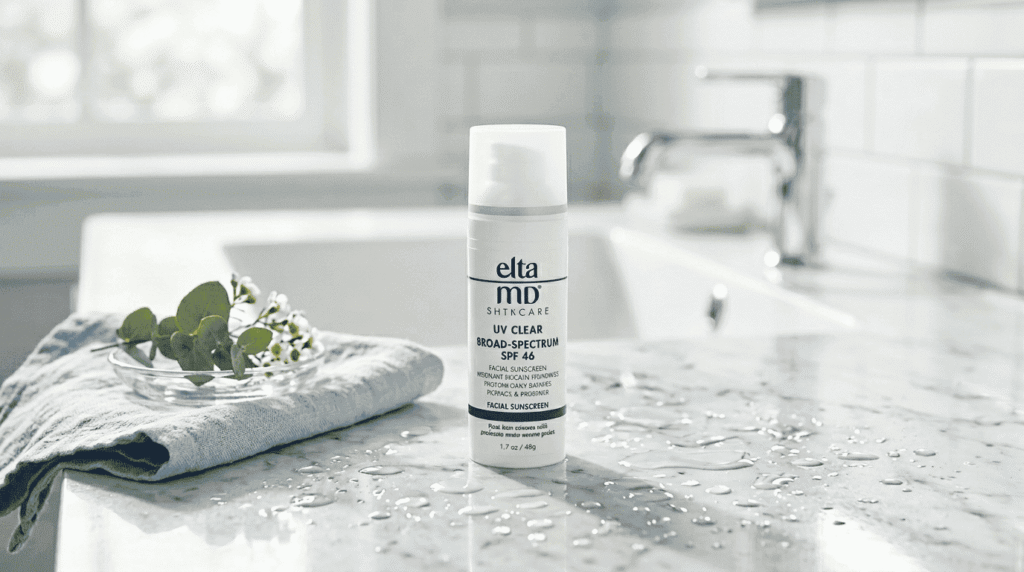
EltaMD UV Clear is one of the most popular sunscreens for acne-prone skin. It is often recommended for people who want a light, comfortable sunscreen that does not feel greasy.
This sunscreen is oil-free and made for sensitive and acne-prone skin. It contains niacinamide, which can help calm the look of redness and support a more even-looking skin tone.
The texture is light and smooth. It absorbs well and works nicely under makeup. Many people like it because it does not feel like a thick sunscreen.
Why it is good for acne-prone skin
EltaMD UV Clear is a strong choice because it feels light, is oil-free, and is designed for sensitive or acne-prone skin. It is also fragrance-free, which is helpful for people who react easily to scented products.
Pros
Lightweight feel
Oil-free formula
Contains niacinamide
Good under makeup
Suitable for sensitive skin
Cons
More expensive than drugstore options
May not be matte enough for very oily skin
Best for
Daily use, sensitive skin, acne-prone skin, and people who want a premium sunscreen.
2. La Roche-Posay Anthelios Clear Skin Dry Touch SPF 60
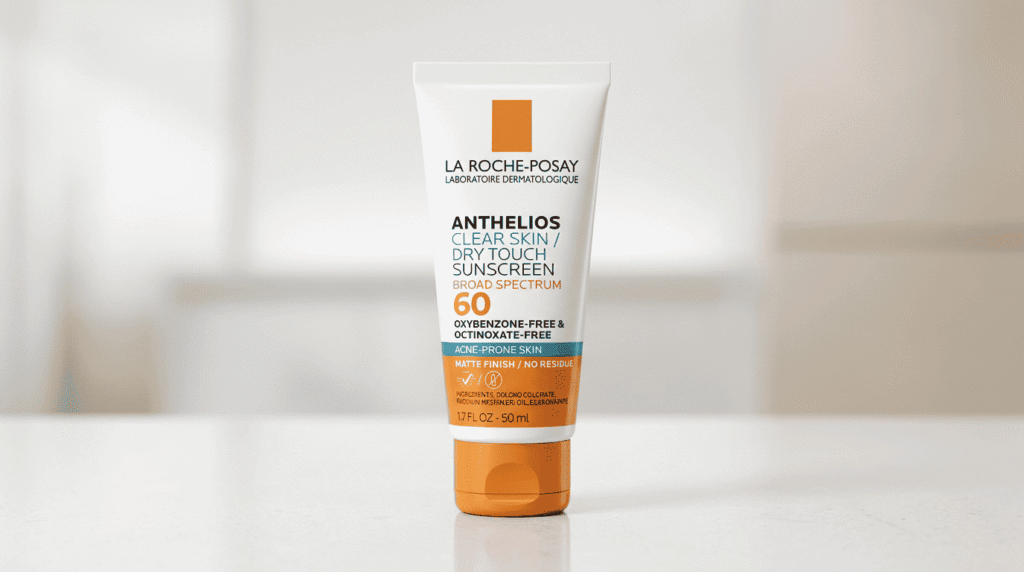
La Roche-Posay Anthelios Clear Skin Dry Touch SPF 60 is a great option for oily and acne-prone skin. It is made to give strong sun protection while helping reduce shine.
The biggest benefit of this sunscreen is its dry-touch finish. It feels more matte than many regular sunscreens. This makes it a good choice for people who struggle with oily skin during the day.
It is also oil-free and non-comedogenic. The formula is designed for acne-prone skin and offers broad-spectrum SPF 60 protection.
Why it is good for acne-prone skin
This sunscreen is helpful for people who want sun protection without a greasy finish. It works well in hot weather, humid climates, or on skin that gets shiny quickly.
Pros
High SPF protection
Oil-free formula
Matte finish
Good for oily skin
Non-comedogenic
Cons
May feel drying on some skin types
Can pill if layered with too many products
Best for
Oily skin, combination skin, humid weather, and people who prefer a matte finish.
3. Neutrogena Clear Face Break-Out Free Sunscreen SPF 50
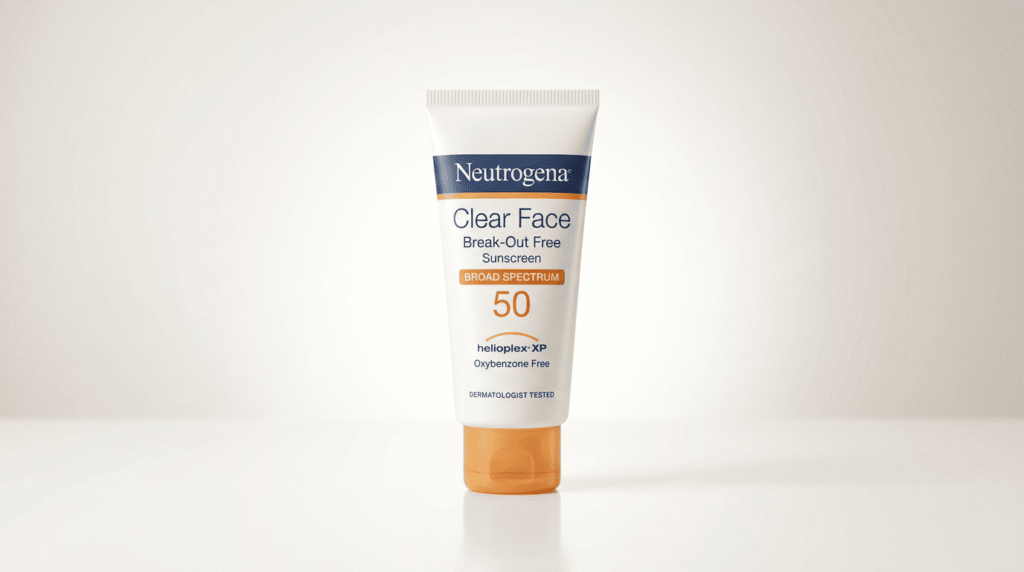
Neutrogena Clear Face is a good budget-friendly sunscreen for acne-prone skin. It is easy to find, affordable, and made for oily and acne-prone skin.
This sunscreen has a lightweight texture and a breathable feel. It is oil-free, fragrance-free, oxybenzone-free, and non-comedogenic. It also gives broad-spectrum SPF 50 protection.
For people who want a simple daily sunscreen without spending too much, this is a practical choice.
Why it is good for acne-prone skin
Neutrogena Clear Face is made to avoid clogging pores. It feels lighter than many traditional sunscreens and is a good entry-level option for teens, students, and budget-conscious users.
Pros
Affordable
Easy to find
Oil-free
Fragrance-free
Good for daily use
Cons
May sting around the eyes
Some users may find it slightly shiny
Best for
Budget users, teens, beginners, and people who want a simple acne-friendly sunscreen.
4. ISNTREE Hyaluronic Acid Watery Sun Gel SPF 50+ PA++++
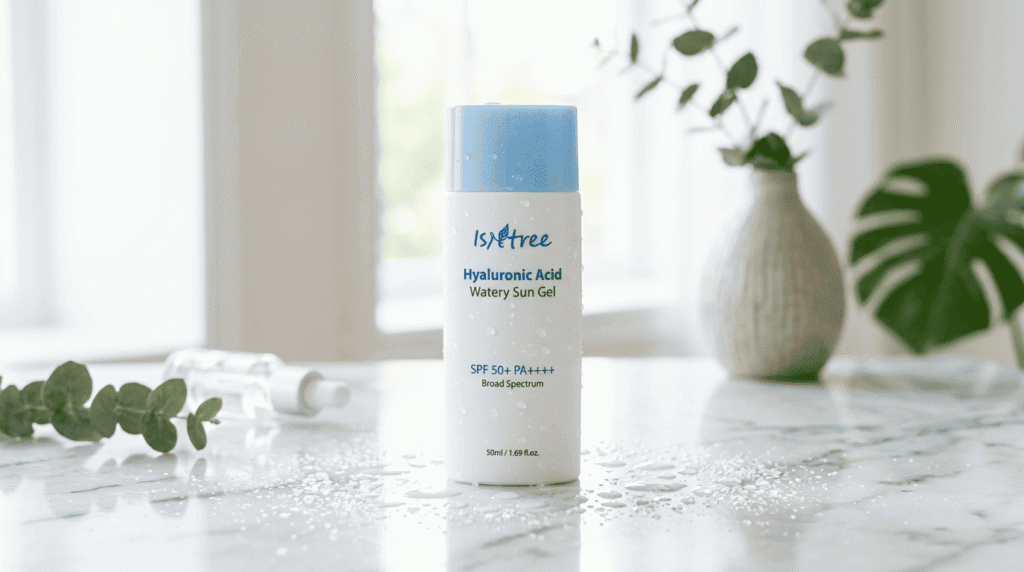
ISNTREE Hyaluronic Acid Watery Sun Gel is a popular Korean sunscreen. It is known for its soft, hydrating texture and smooth finish.
This sunscreen feels more like a light moisturizer than a traditional sunscreen. It contains hyaluronic acid, which helps the skin feel hydrated and fresh. It also has SPF 50+ PA++++ protection, making it a strong daily sunscreen option.
The texture is comfortable and blends easily. It leaves little to no white cast on most skin tones, which makes it a good choice for everyday wear.
Why it is good for acne-prone skin
This sunscreen is best for acne-prone skin that also feels dry or dehydrated. Some people with acne avoid moisturizer, but dry skin can make irritation worse. A hydrating sunscreen can help keep the skin comfortable.
Pros
Light gel texture
Hydrating feel
Minimal white cast
Good under makeup
Comfortable for daily use
Cons
May feel too dewy for very oily skin
May not be ideal for people who prefer a matte finish
Best for
Dehydrated acne-prone skin, daily wear, makeup users, and people who like Korean skincare.
5. CeraVe Hydrating Mineral Sunscreen SPF 30
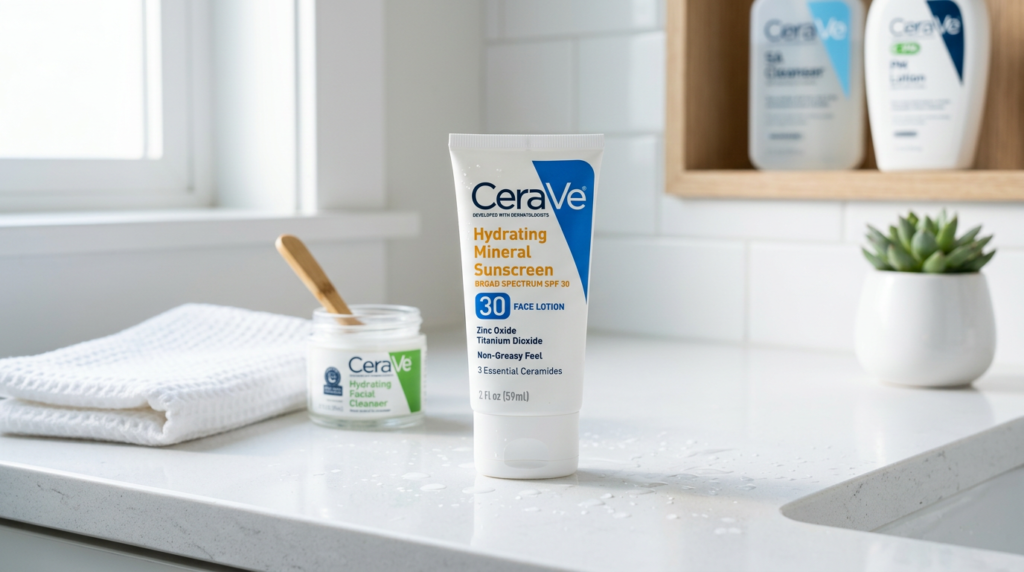
CeraVe Hydrating Mineral Sunscreen SPF 30 is a good option for people who prefer mineral sunscreen. Mineral sunscreens use ingredients like zinc oxide and titanium dioxide to help protect the skin from UV rays.
This sunscreen is made with ceramides, which help support the skin barrier. It is also fragrance-free and suitable for sensitive skin.
Because it is a mineral sunscreen, it may leave a slight white cast, especially on deeper skin tones. However, it can be a good choice for people who find chemical sunscreens irritating.
Why it is good for acne-prone skin
CeraVe is a trusted skincare brand for sensitive skin. This sunscreen is useful for people with acne-prone skin that also feels dry, reactive, or easily irritated.
Pros
Mineral protection
Contains ceramides
Fragrance-free
Good for sensitive skin
Supports the skin barrier
Cons
May leave a white cast
Texture can feel thicker than chemical sunscreens
Best for
Sensitive skin, reactive skin, dry acne-prone skin, and people who prefer mineral sunscreen.
How to Choose the Best Sunscreen for Your Skin Type
The best sunscreen for acne prone skin depends on your skin type and daily routine.
If your skin is very oily, choose a matte or dry-touch sunscreen. La Roche-Posay Anthelios Clear Skin may be a better fit.
If your skin is sensitive and breaks out easily, EltaMD UV Clear is a strong option.
If you want a low-cost sunscreen, Neutrogena Clear Face is a good pick.
If your skin feels dry or tight, ISNTREE Hyaluronic Acid Watery Sun Gel may feel more comfortable.
If your skin reacts to chemical sunscreens, CeraVe Mineral Sunscreen may be a better choice.
The best sunscreen is not always the most expensive one. It is the one you can wear every day without irritation, heaviness, or breakouts.
Ingredients to Look For in Sunscreen for Acne-Prone Skin
Some ingredients can make sunscreen more comfortable for acne-prone skin.
Niacinamide is one of the best ingredients to look for. It can help improve the look of redness, uneven tone, and excess shine.
Zinc oxide is a mineral sunscreen filter that is often used in products for sensitive skin. It can be a good choice for people who react easily to other sunscreen filters.
Ceramides help support the skin barrier. This is helpful because acne treatments can sometimes make the skin dry or weak.
Hyaluronic acid helps the skin hold moisture without feeling heavy. It is good for dehydrated skin.
Green tea extract can help calm the skin and support a fresh, healthy look.
Ingredients Acne-Prone Skin May Want to Avoid
Not every ingredient causes breakouts for everyone. Still, acne-prone skin may want to be careful with heavy or pore-clogging ingredients.
Some people may react to coconut oil, lanolin, heavy fragrance, thick oils, and rich balms. Very heavy creams may also feel uncomfortable on oily or acne-prone skin.
Fragrance is not always bad, but it can bother sensitive skin. If your skin stings, burns, or turns red often, a fragrance-free sunscreen may be safer.
Always patch test a new sunscreen before using it on your whole face. Apply a small amount near your jawline for a few days and watch how your skin reacts.
Common Sunscreen Mistakes That Can Trigger Breakouts
Even a good sunscreen can cause problems if you use it the wrong way.
One common mistake is not cleansing your skin properly at night. Sunscreen can mix with sweat, oil, and makeup during the day. Use a gentle cleanser in the evening to remove it.
Another mistake is choosing sunscreen only based on SPF. SPF is important, but texture and ingredients matter too.
Some people skip moisturizer because they have oily skin. But oily skin can still be dehydrated. If your skin feels tight, use a lightweight moisturizer before sunscreen.
Using expired sunscreen is another problem. Old sunscreen may not protect your skin properly. Check the expiry date before using it.
Finally, do not apply too many thick products under sunscreen. Heavy layers can lead to pilling, shine, and clogged pores.
How to Apply Sunscreen Correctly
Start with clean skin. Apply your acne treatment first if you use one in the morning. Let it absorb fully.
Next, apply a lightweight moisturizer if your skin needs it. Then apply sunscreen as the last step in your morning skincare routine.
Use enough sunscreen to cover your face, neck, and ears. Do not forget areas like the hairline, under the chin, and around the nose.
If you are outside, reapply sunscreen every two hours. Reapply sooner if you are sweating or swimming.
If you wear makeup, you can use a sunscreen stick, cushion sunscreen, or SPF powder for touch-ups. These should not replace your first sunscreen layer, but they can help during the day.
Mineral vs Chemical Sunscreen for Acne-Prone Skin
Both mineral and chemical sunscreens can work for acne-prone skin. One is not automatically better than the other.
Mineral sunscreens usually contain zinc oxide or titanium dioxide. They sit on the skin’s surface and help protect against UV rays. They are often a good choice for sensitive skin, but they may leave a white cast.
Chemical sunscreens usually feel lighter and blend more easily. They are often better for people who want no white cast. But some people with sensitive skin may find certain chemical filters irritating.
Instead of focusing only on mineral or chemical, focus on the full formula. Look for a sunscreen that is non-comedogenic, lightweight, broad-spectrum, and comfortable for your skin.
Best Sunscreen for Acne Prone Skin: Final Ranking
If you want the best overall sunscreen, choose EltaMD UV Clear SPF 46.
If your skin is oily, choose La Roche-Posay Anthelios Clear Skin SPF 60.
If you want a budget option, choose Neutrogena Clear Face SPF 50.
If you want a hydrating Korean sunscreen, choose ISNTREE Hyaluronic Acid Watery Sun Gel SPF 50+.
If your skin is sensitive and you prefer mineral sunscreen, choose CeraVe Hydrating Mineral Sunscreen SPF 30.
Each product has a different strength. The right choice depends on your skin type, budget, and texture preference.
Frequently Asked Questions
Can sunscreen cause acne?
Yes, some sunscreens may cause breakouts if they are heavy, greasy, or contain pore-clogging ingredients. Choose a non-comedogenic and oil-free sunscreen if your skin breaks out easily.
Is SPF 50 better than SPF 30 for acne-prone skin?
SPF 50 gives slightly more UVB protection than SPF 30, but both can work well when applied correctly. The most important thing is choosing a broad-spectrum sunscreen and reapplying it when needed.
Should oily skin wear sunscreen every day?
Yes. Oily skin still needs sun protection. Choose a lightweight, oil-free, or matte sunscreen to reduce shine.
Is mineral sunscreen better for acne-prone skin?
Mineral sunscreen can be better for sensitive skin, but it is not always better for everyone. Some chemical sunscreens are also lightweight and acne-friendly. The full formula matters most.
Can sunscreen help fade acne marks?
Sunscreen does not fade acne marks by itself, but it helps prevent them from getting darker. It also supports a better skincare routine when used with acne treatments or brightening products.
Should I wear sunscreen indoors?
If you sit near windows or get daylight exposure during the day, sunscreen is still helpful. UVA rays can pass through glass and may affect the skin over time.
Can I skip moisturizer if my sunscreen is hydrating?
You can skip moisturizer if your sunscreen gives enough hydration and your skin feels comfortable. If your skin feels tight or dry, use a light moisturizer before sunscreen.
Final Thoughts
Finding the best sunscreen for acne prone skin does not have to be difficult. Focus on formulas that are lightweight, non-comedogenic, oil-free, and broad-spectrum.
The right sunscreen should protect your skin without making it feel greasy or heavy. It should also fit your daily routine, because consistency matters more than perfection.
EltaMD UV Clear is the best overall choice. La Roche-Posay Anthelios Clear Skin is great for oily skin. Neutrogena Clear Face is a strong budget option. ISNTREE Watery Sun Gel is ideal for hydration and daily comfort. CeraVe Mineral Sunscreen is a good pick for sensitive skin.
Clear skin is not only about treating acne. It is also about protecting your skin from future damage. Use sunscreen every morning, reapply when needed, and choose a formula your skin can tolerate every day.

Hi, I’m Amber. Founder of GlowPicks and a skincare research writer focused on sunscreen education, UV protection, and ingredient analysis. I creates evidence-based guides that help readers make informed skincare decisions using trusted sources and expert recommendations.