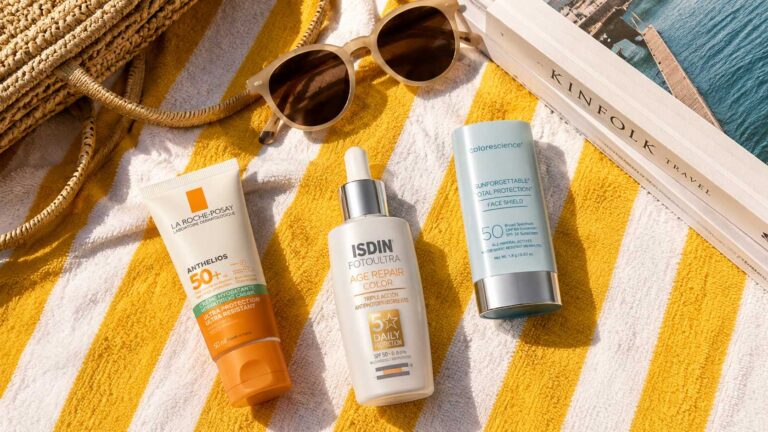

You’ve probably heard it a thousand times: “Don’t forget your sunscreen!”
Beauty experts, dermatologists, and skincare brands all recommend using SPF daily. But if you mostly stay indoors, work in an office, or live somewhere that isn’t very sunny, you might wonder:
Do I really need sunscreen every day?
The simple answer is yes. Sunscreen isn’t just a beauty product, it’s one of the most effective ways to protect your skin from long-term damage.
Why Is Daily Sunscreen Important?
Sunlight contains invisible ultraviolet (UV) rays that can damage your skin, even when you don’t notice it. daily sunscreen protects your skin from harmful UV rays that can cause wrinkles, dark spots, premature aging, and skin damage. Even on cloudy days or indoors near windows, UV rays can affect your skin. Applying sunscreen every day helps keep your skin healthy, youthful, and protected.
Two Types of UV Rays
UVA Rays (Aging Rays)
- Present all year round
- Can pass through clouds and windows
- Cause wrinkles and loss of skin elasticity
- Break down collagen over time
UVB Rays (Burning Rays)
- Strongest during sunny afternoons
- Cause sunburn and redness
- Contribute to dark spots and skin damage
What Happens If You Skip Sunscreen?
Without sunscreen, your skin spends more time fighting damage and less time repairing itself.Skipping sunscreen leaves your skin exposed to harmful UV rays, which can cause premature aging, wrinkles, dark spots, sunburn, and long-term skin damage. Think of sunscreen as the foundation of any skincare routine. Expensive serums won’t help much if UV rays continue damaging your skin every day.
Daily sunscreen helps:
- Prevent premature aging
- Reduce wrinkles and fine lines
- Keep skin tone even
- Protect against dark spots
- Lower the risk of skin cancer
- Maintain a healthy skin barrier
Is 15 Minutes of Sun Without Sunscreen Okay?
The answer depends entirely on your skin type. For most light to medium skin tones, spending 10 to 15 minutes outside in the early morning or late evening without protection is generally considered safe and sufficient for Vitamin D production.
However, if you are stepping outside during peak hours (between 10:00 AM and 4:00 PM) that time, even 15 minutes of unprotected exposure can trigger an immediate inflammatory response. People with fair skin, or those using skincare products like AHAs or retinoids, have more sensitive skin. Even just 15 minutes in strong sunlight without protection can cause mild sun damage, irritation, and speed up the appearance of aging signs like fine lines and wrinkles.
Generally safe:
- 10–15 minutes in the early morning
- Late afternoon sunlight
- Low UV index conditions
Be careful if:
- It’s between 10 AM and 4 PM
- You have very fair skin
- You’re using retinol or exfoliating acids
- The UV index is high
Is It Healthy to Never Wear Sunscreen?
No, it is not healthy to never wear sunscreen. While sunlight has benefits like helping your body produce Vitamin D, too much unprotected sun exposure can damage your skin, cause premature aging, increase dark spots, and raise the risk of skin cancer. Using sunscreen helps protect your skin while still allowing you to enjoy the benefits of sunlight safely. too much unprotected exposure can cause:
- DNA damage in skin cells
- Premature aging
- Sun spots and pigmentation
- Increased skin cancer risk
Healthy sun exposure is good. Unprotected overexposure is not.
Why Do Some People Avoid Sunscreen?
Some people avoid sunscreen because they worry about chemical ingredients, believe it blocks Vitamin D, or dislike how early formulas felt greasy or left a white cast. Others rely on myths or social media opinions. However, modern sunscreens are much safer, lighter, and more comfortable, and they are important for protecting skin from UV damage.
A Real-Life Example of Sun Damage
To truly understand how daylight alters human tissue, we can look at a famous real-life medical case study published in The New England Journal of Medicine involving a 69-year-old delivery truck driver.
69-YEAR-OLD TRUCK DRIVER
| Truck Driver | Left Side of Face (Exposed to Window UV) | Right Side of Face (Shaded Inside Truck) |
| Skin Texture | Deep, sagging wrinkles | Smooth texture |
Collagen Levels | Severe collagen loss | Normal elasticity |
| Skin Appearance | Thickened, leathery skin | Minimal sagging |
| Aging Signs | Advanced photoaging | Healthy aging |
For 28 years, this man drove his delivery route across the country. The left side of his face was constantly exposed to UVA radiation transmitting directly through his driver’s side window, while the right side of his face remained shaded inside the truck cabin.
The visual contrast was shocking. The left side of his face showed severe, deep premature wrinkling, extreme sagging, and a complete destruction of skin elasticity (a condition known as unilateral dermatoheliosis). The right side of his face looked decades younger, with normal, healthy aging. Because he never wore daily protection, his window glass allowed UVA rays to aggressively age one half of his face while the other half remained completely protected by simple shade.
Do You Need to Reapply Sunscreen?
Yes, sunscreen doesn’t last all day. you need to reapply sunscreen because it wears off over time due to sweat, oil, water, and sun exposure. For best protection, reapply every 2 hours when outdoors, or sooner if you are swimming or sweating heavily. This helps keep your skin protected throughout the day.
General rule:
- Reapply every 2 hours when outdoors
- Reapply after swimming or heavy sweating
If you wear makeup, SPF sprays and powders can make reapplication easier.
How to Choose the Right Sunscreen
Choosing the right sunscreen is important because every skin type has different needs. The right formula protects your skin effectively while also feeling comfortable to wear daily. When you pick the right sunscreen, you are more likely to use it consistently, which gives your skin better long-term protection from sun damage, aging, and dark spots.
For Oily or Acne-Prone Skin
Choose:
- Lightweight gels
- Oil-free formulas
- Non-comedogenic products
For Dry Skin
Look for:
- Cream-based sunscreens
- Hyaluronic acid
- Ceramides
- Glycerin
For Sensitive Skin
Best options:
- Mineral sunscreens
- Zinc Oxide formulas
- Fragrance-free products
Final Thoughts
After reviewing the evidence, the answer to is sunscreen really necessary is clear for most people.
Sunscreen helps:
- Protect against UV damage
- Reduce premature aging
- Prevent hyperpigmentation
- Support healthy-looking skin
- Complement other sun protection measures
Whether you’re wondering if it is necessary to apply sunscreen, is sunscreen really necessary every day, or is sunscreen reapplication necessary, the overall message remains the same: consistent sun protection is one of the simplest ways to support long-term skin health.
By choosing the best sunscreen for your skin type and using it regularly, you can help protect your skin today and in the years ahead.
Quick FAQs
Does SPF 50 last longer than SPF 30?
No.
SPF 30 blocks about 97% of UVB rays, while SPF 50 blocks around 98%.
Both still need reapplication every two hours.
Do people with dark skin need sunscreen?
Yes.
Darker skin tones have more natural protection but can still experience:
- UV damage
- Hyperpigmentation
- Skin cancer
Is makeup with SPF enough?
Usually not.
You would need a very large amount of foundation to get the SPF protection listed on the label.
Always use a dedicated sunscreen underneath.
Can sunscreen cause Vitamin D deficiency?
Research shows normal sunscreen use does not usually cause Vitamin D deficiency.
You can maintain healthy Vitamin D levels through:
- Everyday daylight exposure
- Diet
- Supplements if needed

Hi, I’m Amber. Founder of GlowPicks and a skincare research writer focused on sunscreen education, UV protection, and ingredient analysis. I creates evidence-based guides that help readers make informed skincare decisions using trusted sources and expert recommendations.